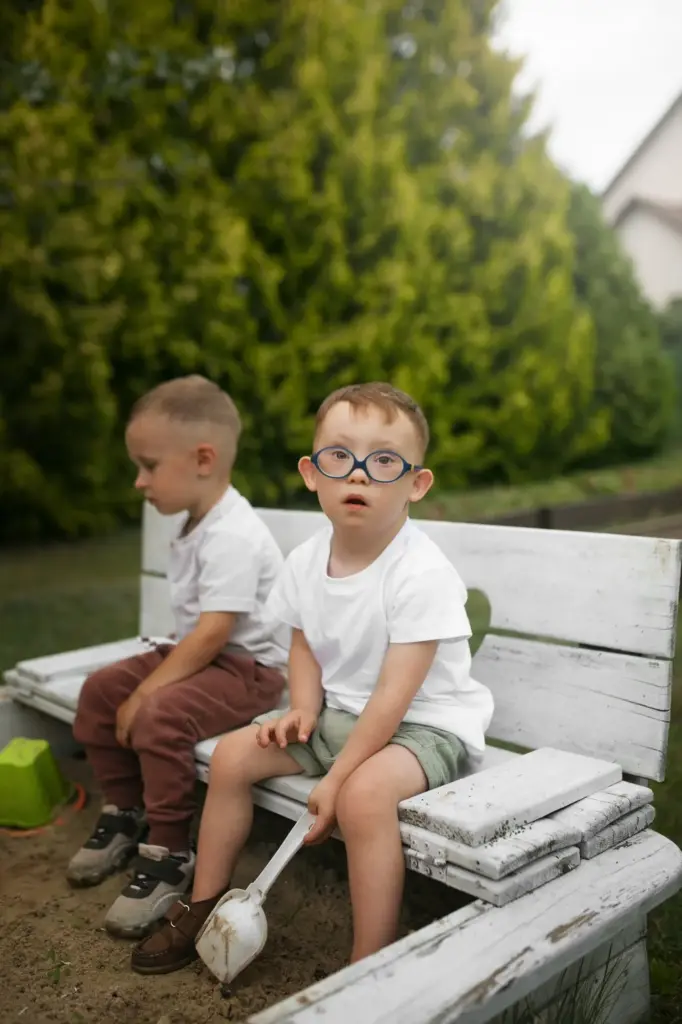
Places to Pause: Inclusive Street Stops That Welcome Every Step

Today we focus on rest‑oriented stops for seniors, children, and disabled pedestrians in city streets, celebrating humane details that turn hurried corridors into welcoming paths. Imagine shaded seating with supportive armrests, level roll‑up spaces beside benches, playful edges for young walkers, and clear cues for low‑vision travelers. Through stories, practical guidance, and shared experience, let’s shape calmer blocks, kinder corners, and a city where slowing down feels respectful, dignified, safe, and joyfully shared by everyone.

Designing Comfort in Motion

A great place to pause begins with bodies in mind: predictable seat heights that reduce strain, backs that actually support, armrests that assist standing, and knee clearance that welcomes varied mobility aids. Surroundings matter too—quiet pavement underfoot, softened edges, and cues that make approaching effortless. When comfort is intentional, the city’s rhythm stretches into generous beats where breath returns, legs recover, and conversation lingers. That is how a sidewalk becomes a partner rather than an obstacle.

Lighting for Faces, Not Just Lanes

Many streets over‑light asphalt while leaving waiting areas gloomy. Shift priorities so light reveals faces, wheels, signs, and handles without glare that disorients older eyes. Warm, uniform illumination reduces harsh shadows that confuse depth perception and magnify anxiety. Mount fixtures to avoid spill into windows while brightening pause points. Pair lighting with reflective accents along edges and tactile markers underfoot. When visibility is gentle and consistent, people notice smiles, read cues quickly, and feel free to settle without second‑guessing danger.

Clear Sightlines Without Sterility

Safety thrives on openness and variety, not stark emptiness. Trim shrubs to knee or shoulder heights that preserve views, choose transparent materials for wind screens, and position seating so companions can monitor kids at play. Artful columns, not solid walls, define space while maintaining awareness. Layer textures and colors that help low‑vision pedestrians distinguish edges. By balancing visibility with warmth, we keep places watchful without feeling policed, comfortable without feeling clinical, playful without creating confusing, cluttered, or disorienting backdrops.

Traffic Separation That Feels Humane

Hard barriers can feel hostile; soft separation can feel uncertain. Use planted medians, curb extensions, and low railings that guide without threatening. Lift crossings to sidewalk level to slow turning vehicles gently while smoothing roll‑throughs for wheelchairs and strollers. Audible cues should complement geometry, not compensate for it. When the street’s form makes correct behavior natural, drivers cooperate, stress drops, and people resting nearby sense respect. Humane edges convert fear into trust, turning every pause into an easy choice.

Playful Moments for Young Walkers

Scaled Seating and Social Nooks

Big benches swallow small bodies. Add child‑height ledges, low steps with rounded noses, and cozy corners where a grandparent can read aloud while a sibling plays nearby. Keep stroller parking intuitive so aisles stay clear. Interweave perches for different heights, encouraging eye contact across generations. These micro‑nooks signal that children belong in civic life. When kids feel invited, they wait more peacefully, parents decompress, and neighbors naturally exchange smiles, building safety through presence rather than rules or warnings posted everywhere.

Tactile Surfaces and Learning Through Touch

Textured panels, soft‑contrast patterns, and embedded shapes can teach counting, letters, or local ecology while guiding feet to safer zones. Ensure textures are slip‑resistant when wet and detectable with a cane. Alternate cool stones with warm woods for sensory variety without overwhelming. Integrate braille stories at reachable heights, honoring curiosity beyond sighted play. These cues are not toys alone; they are navigational allies that calm fidgety waiting, reward attention, and foster shared discovery among children, siblings, caregivers, and passersby.

Wayfinding as Story

Children follow narratives better than arrows. Create a sequence of friendly characters, colors, or local legends that mark the journey from school gate to snack stop to bus. Place each marker near a legitimate rest point, rewarding progress with seats, shade, and water. Parents can say, “Let’s reach the blue sparrow,” turning distance into episodes. Story‑based wayfinding reduces meltdowns, boosts independence, and helps newcomers remember safe routes. It also welcomes neurodiverse kids who thrive on predictable, engaging, gently scaffolded routines.

Accessibility That Works in Real Life

Compliance is a baseline; lived usability is the goal. Ramps must arrive where people actually need them, crossfalls should not tilt wheelchairs into traffic, and cues must remain consistent block to block. Consider fatigue, timing, and shelter at crossings with slow signals. Provide room for assistance without blocking flows. When design honors daily patterns—medical visits, grocery runs, school pickups—access shifts from paperwork to dignity. People report fewer detours, fewer stumbles, and more spontaneous trips that expand social worlds.

Continuous Ramps and Predictable Crossfalls

A single good ramp cannot rescue a fragmented route. Ensure continuous, gently sloped paths between stops, with landings that welcome a pause without rolling. Keep crossfalls predictable so wheels track straight rather than drifting toward gutters. Align curb cuts directly with crossings to avoid awkward diagonal pushes. Texture changes should announce edges clearly without jolting small casters. Predictability reduces anxiety, frees cognitive bandwidth for conversation, and makes independent travel realistic for power chairs, walkers, and anyone balancing weather, bags, and time.

Signals, Sound, and Tactile Clues

Audible signals should be clear without becoming intrusive, with locator tones that help find pushbuttons placed within easy reach. Tactile arrows must truly point along the crossing. Use detectable warnings where exposure begins, not randomly. Layer sound with contrasting paving and gentle railings that guide hands confidently. When senses agree, decision‑making speeds up and fear declines. People with low vision, hearing differences, or cognitive fatigue feel welcomed rather than tested. Streets become teachers that whisper, not shout, precisely what comes next.

Wheelchairs, Walkers, and Strollers Together

Design for devices to pass comfortably without choreography. Provide widths that allow two aids side by side, with occasional bays for stepping aside gracefully. Place seating slightly off the main line, framed by roll‑up zones so companions sit shoulder to wheel. Avoid tight switchbacks that punish long frames. When walkers, wheelchairs, and strollers move harmoniously, social groups can stay intact, kids can linger safely, and caregivers breathe easier. Inclusion shows up not in plaques, but in effortless everyday maneuvers everyone can share.

Climate, Materials, and Maintenance

Comfort depends on seasons. Trees shape shade and birdsong; canopies shed rain and soften glare. Materials that stay cool and dry reduce slips and burns. Seating drains quickly and dries faster under filtered light. Trash, snow, and leaves steer behaviors if unmanaged. Plan maintenance like choreography: predictable, funded, responsive. Durable does not need to feel harsh; well‑finished wood, rounded stone, and resilient surfaces earn patina. When care is visible and consistent, trust grows and people return confidently, day after day.

Listening to Lived Experience

The most accurate brief comes from those who struggle, wait, and persevere on our sidewalks every day. Host walk‑alongs at real speeds, sit‑tests at actual stops, and kid‑led tours that surface overlooked delights and fears. Translate stories into drawings quickly, then test again. Honor contradictions: what calms one person may overstimulate another. With humility and iteration, patterns emerge. Invite readers to share photos, notes, and routes they love or avoid. Together we can tune design until relief becomes routine.

Measuring What Matters

If we value rest, we must measure it. Count dwell time by age group, device type, and weather. Track how many trips become possible when pauses exist every few minutes. Compare fall reports, heart rate recovery, conversations sparked, and photos shared. Evaluate comfort during peak heat and after rainfall. Publish data in friendly formats and invite readers to challenge assumptions. Metrics should uplift stories, not replace them. When numbers confirm relief, decision‑makers commit, and a network of humane stops becomes inevitable.